Why Do Dogs Pee in the House and 6 Proven Ways to Stop It
Table Of Content
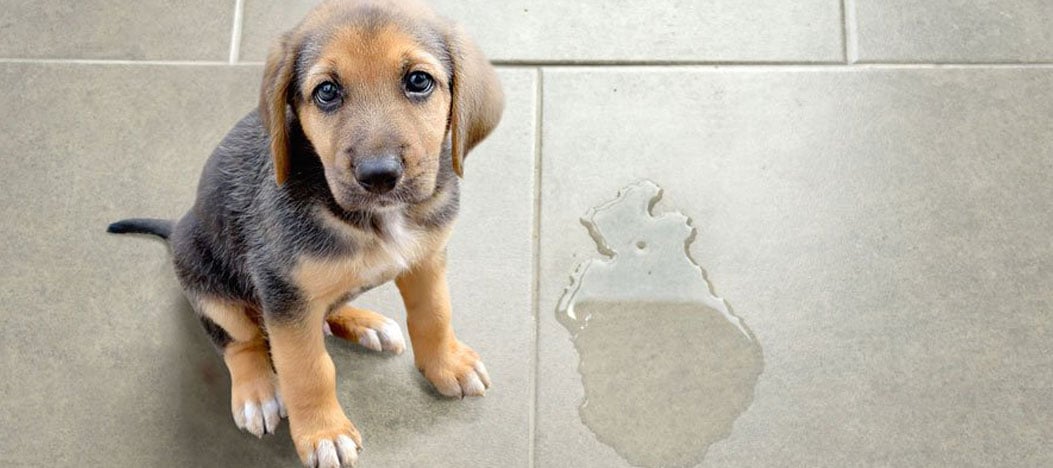
If your dog is definitely house trained and the inappropriate peeing started well after house training was complete, then there are other potential reasons for the behavior. It's essential to first rule out health problems before you investigate behavioral causes for inappropriate urination. Dogs seem to have an endless supply of urine to mark their territory. However, under usual circumstances, healthy adult dogs need to relieve themselves three to five times a day, according to Dr. Klein.
Do Dogs Pee For Attention?
– It’s important to provide an adequate amount of water for your dog to stay hydrated and healthy. Restricting water intake can lead to dehydration and other health problems. Instead, focus on establishing a consistent bathroom routine and monitoring your dog’s behavior to prevent accidents in the house.
Importance of Keeping Your Pet Active
Take your dog to the vet to identify any health problems that might be affecting your pooch, and organize treatment with your vet. Anxiety can cause them to pee in inappropriate places, as can significant changes in their environment. Also, they will be more likely to spray their marking pee onto vertical objects while they will do their normal peeing on the ground. When marking, a dog will generally not empty their entire bladder but rather just expel enough to leave behind a scent. You can generally identify peeing for the purposes of marking by the quantity and the location.
Aging Dogs

Other potential behavioral conditions that can lead to house soiling include distress related to being left alone and frustration related to potential intruders (territorial behavior). You can then determine the underlying reason for the behavior based on your dog’s posture when she eliminates. That is why young puppies are so easily conditioned to eliminate on a specific substrate such as a potty pad or in a specific location such as the backyard.

If a dog lives in a home where the guidelines constantly change or one person expects different things than another, this can exacerbate any existing stress. Start at the beginning, as though your dog were a young puppy, and supervise carefully. Be sure your dog has adequate opportunities to go outside to her appropriate elimination location. It is helpful to have a designated area for elimination, and, when she is brought outside, to guide her to that area before playing with her. Patience and understanding will go a long way in these situations, especially if your pup could be suffering with an underlying condition that is causing this behavior. If anything, ruling out any underlying illness can help you move forward appropriately in addressing the behavior.
Why has the cat started peeing on the carpet? - The Mercury News
Why has the cat started peeing on the carpet?.
Posted: Wed, 09 May 2018 07:00:00 GMT [source]
DEA will move to reclassify marijuana as a less-dangerous drug
Your dog may excrete large volumes of urine (polyuria) or release small amounts more frequently than normal (pollakiuria). It can be heartbreaking to see your senior dog urinating frequently, and taking them to a pet hospital can be challenging. To spare you the transportation challenges and avoid disrupting your long-time companion's comfort, you can book a home vet visit. It is the underproduction of insulin or the inability of your dog's body to respond to insulin. Adult dogs tend to urinate every four to eight hours depending on their breed and size, while senior dogs urinate more frequently.
How to stop cat bullying at home, according to experts - Care.com
How to stop cat bullying at home, according to experts.
Posted: Wed, 08 Mar 2023 08:00:00 GMT [source]
The Common Causes of Excessive Thirst in Dogs
Puppies may still have accidents when they're being house trained, but old age can bring on other causes of urinary accidents. Forms of dementia or senility can occur in aging dogs, leading to house soiling. These dogs may forget their house training or simply forget where they are. Certain health problems may lead to urinary issues, such as kidney disease, diabetes, and Cushing's disease. Your dog could be experiencing an injury, joint issues, or arthritis, making it painful for them to get up to go outside for potty breaks.
Our veterinary team surveyed 258 owners of senior dogs who suddenly started peeing inside the house. We found that these peeing issues were due to a medical condition – in almost 90% of cases. The first thing you should do when your old dog is starting to pee inside is to work with your vet to identify any potential medical problems. There are a variety of reasons why a dog may suddenly start peeing inside. Doing it repeatedly can be a sign of a medical condition, so you should take them to the vet to get treatment for urinary tract infections of other likely culprits.
Concerned About Your Pet's Unusual Behavior?
There could be a variety of reasons for this behavior, including medical issues, anxiety, or lack of proper training. It’s important to rule out any underlying health problems by consulting with your veterinarian before implementing any behavioral training techniques. When a previously house-trained older dog is peeing in the house, and it’s not just a one-off ‘accident’, it’s easy to become frustrated, and normal to worry. You are not the first owner to wonder what is going on, and what you can do to stop it.
If you do use a belly band, check at least twice daily to be sure it is clean and dry, or your dog will be uncomfortable and could develop a serious skin infection. – Marking behavior is a natural instinct for dogs to establish territory and communicate with other animals. To prevent marking inside the house, consider neutering or spaying your dog, providing mental stimulation, and establishing a consistent bathroom routine to help redirect their behavior. If your potty trained dog is suddenly peeing everywhere, this is likely their way of telling you that something is wrong.
Consider a case where a Golden Retriever named Max started peeing inside the house. By using Fi's activity tracking, his owner realized Max wasn't getting enough exercise. Adjusting his playtime and walks led to an immediate change in behavior. For example, a family with a young Husky named Leo struggled with his sudden urge to mark every corner of the house.
Similar to the diseases previously discussed, the symptoms of Cushing’s disease include excessive thirst, frequent urination, larger appetite, and muscle weakness. However, proper diet, stress management, and plenty of water can help treat kidney disease. UTIs are often caused by bacteria from feces or other debris infecting the area. Increased urination in dogs is characterized by frequent urination, accidents, or incontinence.


Comments
Post a Comment